
The Allure of Chance
The thrill of uncertainty plays a critical role in attracting players to casino games. The psychology of risk-taking is deeply embedded in human nature; many individuals are drawn to the excitement that comes from the possibility of winning. Games of chance, such as neosurf casino instant withdrawal , capitalize on this intrinsic desire. Players find themselves captivated by the unpredictability, as they often fantasize about what their lives could be like should luck be on their side. These imagined outcomes contribute to the powerful allure of casino environments.
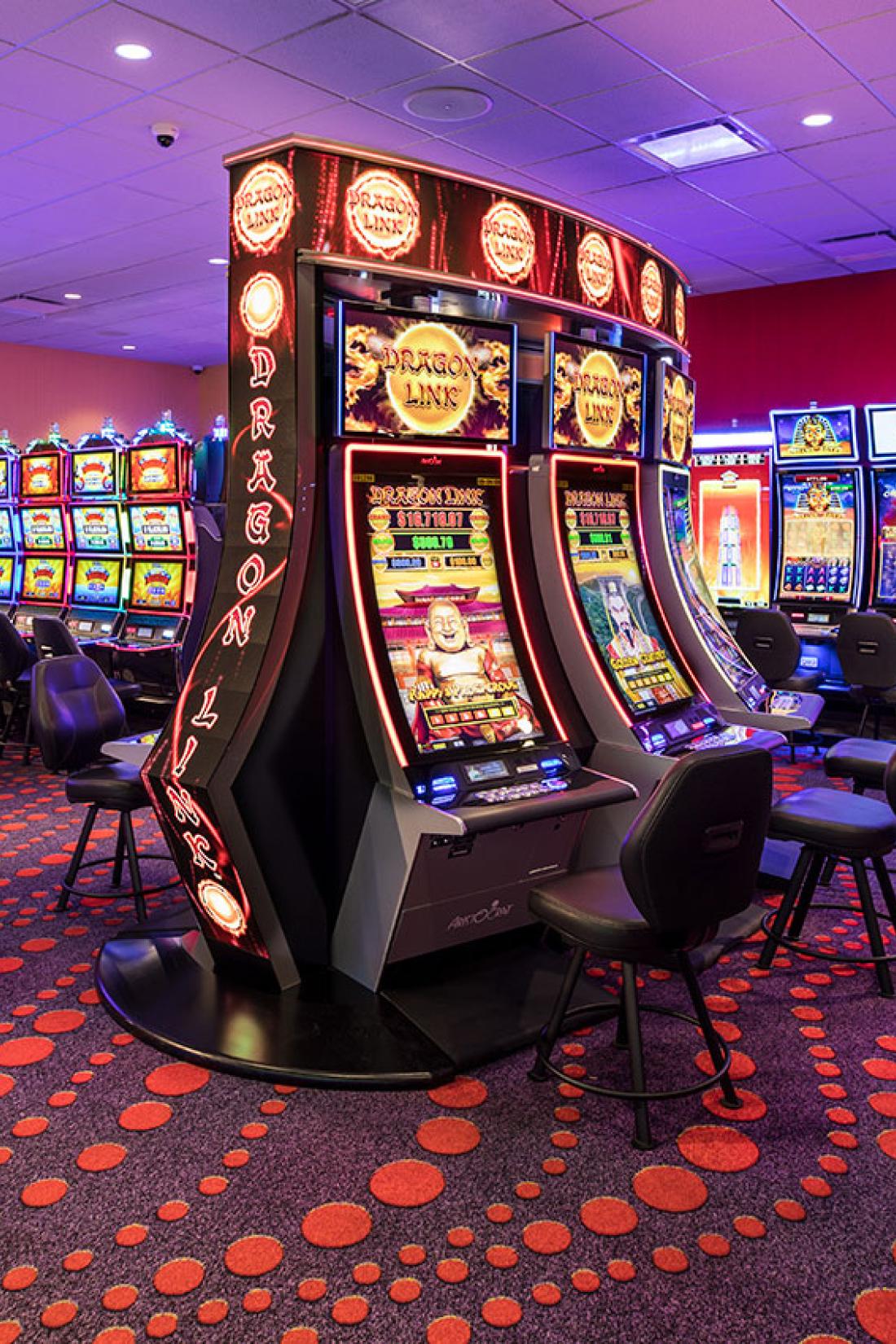
Moreover, the design of casino games enhances this allure. Developers use audio-visual stimulation to create an immersive experience that heightens the anticipation of winning. For instance, the jingles of slot machines and the visual cues of vibrant colorful lights engage multiple senses. This sensory overload can lead to an emotional high, prompting players to spend more time and money in pursuit of that exhilarating feeling. Such designs reflect a deep understanding of psychological triggers that keep players returning for more.
The immediate reinforcement of wins, however small, serves to further entrench players in the gaming experience. This phenomenon, known as variable reinforcement, is particularly effective in maintaining engagement. Unlike fixed reinforcement, where rewards are predictable, variable reinforcement yields rewards at irregular intervals. This unpredictability can lead to compulsive behaviors, as players strive to hit that next “big win,” creating a cycle of gambling that can be challenging to break.
The Role of Environment
The casino environment plays a pivotal role in shaping player behavior. Casinos are meticulously designed spaces, often lacking windows and clocks, creating a sense of timelessness that encourages extended play. The absence of natural light and the constant buzz of excitement foster an atmosphere where time becomes irrelevant. This intentional design prompts players to lose track of their spending and time, increasing the likelihood of prolonged gaming sessions.
Additionally, the social interactions within casinos contribute to the gaming experience. Many players enjoy the communal aspect of gambling, sharing in the highs and lows of the game. This camaraderie can create a supportive environment that enhances the thrill of gameplay. However, it can also lead to a phenomenon known as peer influence, where players are motivated to continue playing based on the actions of others. The collective excitement can encourage individuals to engage in riskier bets, which can escalate losses.

The ambiance crafted by casinos, including the use of enticing smells and free drinks, further influences player behavior. Research in psychology suggests that certain scents can evoke positive feelings and enhance enjoyment. Thus, casinos strategically implement these sensory elements to allure players deeper into their gaming experience. The combination of environmental factors creates a captivating psychological framework that enhances player involvement and potentially contributes to gambling addiction.
Cognitive Biases and Decision-Making
Cognitive biases significantly affect decision-making processes in gambling. One of the most common biases is the illusion of control, where players believe they can influence the outcome of games based on their actions. For instance, a player might think that certain strategies or patterns can increase their winning odds in games that are fundamentally based on chance. This misplaced confidence can lead to more significant bets and increased participation in high-risk games, regardless of the actual probabilities involved.
Another pertinent cognitive bias is the gambler’s fallacy, which leads players to believe that past outcomes somehow influence future results. For example, a gambler might think that a particular slot machine is “due” for a payout after a series of losses. This belief can result in prolonged play and the investment of additional funds, driven by an erroneous understanding of statistical independence. These biases illustrate how flawed thinking can dictate behavior, often resulting in detrimental financial outcomes.
Understanding these biases is crucial for players and operators alike. It highlights the need for responsible gaming measures and education to mitigate harmful behaviors. By acknowledging that cognitive distortions can significantly alter decision-making, casinos can implement training and resources to support informed choices. Conversely, players can become more aware of their thought processes, learning to approach gambling with a clearer understanding of chance and risk.
The Impact of Technology on Player Behavior
In recent years, technology has transformed the landscape of gambling. Online casinos and mobile gaming applications have made it easier than ever for individuals to engage in gambling activities. This accessibility has profound psychological implications, as it removes geographic barriers and allows for gambling at any time. The convenience of betting from the comfort of one’s home can enhance compulsive behavior, leading to an increase in gambling-related issues.
Furthermore, technology facilitates tailored experiences through data collection and analytics. Online platforms can use player data to offer personalized recommendations, bonuses, and promotions, thereby intensifying engagement. This targeted approach plays on psychological triggers, such as the need for social validation and rewards. As players interact more with these platforms, they may feel a deeper emotional connection to their gaming experiences, blurring the lines between hobby and addiction.
The rise of virtual reality and augmented reality technologies also promises to redefine player experiences. These immersive technologies create environments that closely mimic physical casinos, offering unparalleled engagement. However, this heightened realism can further exacerbate the psychological hooks inherent in gambling, as players find it increasingly difficult to differentiate between fantasy and reality. As the industry evolves, ongoing research into the psychological impacts of such technologies remains crucial in promoting healthy gambling practices.
Understanding Player Behavior for Responsible Gaming
A comprehensive understanding of player behavior is essential for promoting responsible gaming. Recognizing the psychological factors that drive individuals to gamble can empower operators to create safer environments. Implementing responsible gaming measures, such as setting spending limits and providing educational resources, can help mitigate the risks associated with gambling. Additionally, casinos can play a role in fostering awareness about gambling addiction and offering support channels for those in need.
Furthermore, player education is key to encouraging healthy gambling habits. By informing players about cognitive biases and the nature of chance, they can make more informed decisions. Educational campaigns can provide insights into the odds of various games and the importance of setting personal limits. By fostering a culture of awareness and responsibility, the gambling community can collectively address potential issues before they escalate.
Ultimately, the collaboration between players, operators, and regulatory bodies is vital in shaping a responsible gaming landscape. By prioritizing psychological understanding in outreach efforts, the industry can create a more sustainable environment for all stakeholders. As we move forward, ongoing dialogue and research will be crucial in ensuring that casino gaming remains an enjoyable pastime rather than a source of distress for players.